Moving into a new home in New Albany brings a stack of decisions, but few are as impactful on your property value and daily life as how you manage the trees. Mature maples and oaks define neighborhood character here, but they also carry responsibilities — safety, maintenance, and sometimes removal. This guide walks you through what to expect from tree service in New Albany Indiana, how to choose a contractor, what typical jobs cost, and sensible timelines for trimming, stump removal, transplanting, and other tree care services. I draw on years working with local arborists and homeowners, so the advice is practical and grounded in the realities of southern Indiana weather and urban lots.
Why tree care matters in New Albany Trees here are a long-term investment. Proper pruning improves sight lines, reduces storm damage, and promotes healthy growth. Conversely, deferred maintenance creates weak limbs that can fall during heavy rain or ice, damaging roofs, cars, or power lines. Roots matter too. They can invade lawns, crack sidewalks, and complicate drainage. For new homeowners, early decisions about which trees to keep, which to prune aggressively, and which to remove influence utility bills, curb appeal, and resale value for decades.
Common tree services you’ll encounter Most tree companies in the area offer a core set of services. If you prefer a quick glance before reading further, these are the usual categories you will hire for: tree trimming, tree removal and tree stump removal, emergency storm response, tree transplanting for smaller specimens, and routine tree care services such as cabling or disease treatment. Companies such as Cummins Tree Service are named frequently around New Albany, but always check current reviews and credentials.
How to tell whether a tree needs attention There are clear signs a tree requires service that go beyond simple aesthetics. Dead or hanging limbs, large cavities at the base, mushroom or fungal growth on the trunk, and sudden dieback of canopy are all red flags. Leaning trees deserve careful evaluation; a slight lean can be normal for certain species, while a sudden change after heavy wind suggests root failure. Roots heaving sidewalks and cracked foundation elements often mean the tree is either too close to structures or the root system is stressed. Take photos and make notes before calling a pro, because accurate descriptions help them give a realistic estimate over the phone.
Picking a contractor in New Albany You want a company that understands local ordinances, utilities, and the microclimate of southern Indiana, not a crew passing through from a distant county. Verify three things before you sign: insurance, references, and arborist credentials. General liability and workers compensation insurance protect you from being stuck with bills if someone is injured or property is damaged during work. Ask for an insurance certificate with your property named, and call the insurer if anything feels off.
Credentials matter but interpret them. An ISA certified arborist demonstrates documented training, which is valuable for complex jobs like tree transplanting or diagnosing disease. However, experience with local species and municipal pruning standards can be equally important. If a crew has worked on historic properties in the area or with the New Albany city tree program, that practical track record is a strong signal.
Permits and city rules New Albany has rules about tree removal on public right of way and sometimes on private lots, especially for heritage specimens or trees within historic districts. Before felling anything large near the street, contact the city planning department or check the municipal website. The contractor should handle any required permits, but insist on seeing copies. Avoid companies that suggest skipping permits to speed things up, that is a liability you do not want.
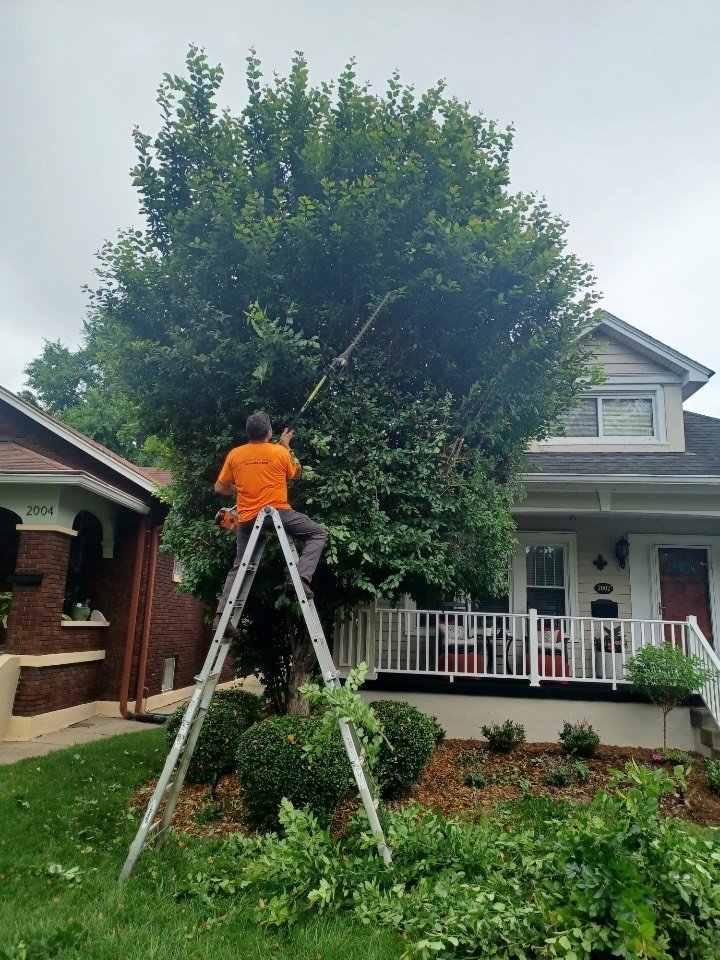
What a good estimate looks like A professional estimate will be written, itemized, and include cleanup details. It should list every tree, the work to be performed on each, the method of removal if applicable, and where debris will be left or hauled. For removals, expect to see stump treatment or tree stump removal as a separate line, because hauling and grinding stumps take different equipment and labor. Estimates should also note any site protection such as protecting lawn, driveway, or garden beds, and whether the crew will chip wood on-site or haul it away.
Typical price ranges and what affects cost Costs vary with tree size, location, and complexity. Small trees under 30 feet often cost a few hundred dollars to remove, while large street trees can be several thousand. Stump grinding usually runs anywhere from under a hundred dollars for small stumps to several hundred for large, deeply rooted stumps. Trimming can be quoted per tree or hourly, with aggressive crown reduction priced higher because it takes more time and skill. Expect higher prices for tight urban lots where crews must rig branches and haul debris by hand, and watch for additional fees if the tree is near power lines since that work requires utility coordination.
Safety and what to expect on the day of service Good crews arrive in work clothes, with visible company logos, and show proof of insurance when asked. They should do a brief job walk and point out hazards such as overhead lines, buried sprinkler lines, or areas where branches could damage your fence. You will hear chainsaws and wood chippers, and there will be falling debris. People with pets and small children should keep clear of the work zone. After the job, a responsible crew rakes the lot, removes chips unless you agreed to keep them, and grinds or removes stumps as specified.
Tree trimming best practices and timing Trimming is not just cosmetic. Pruning to remove deadwood, thin a dense canopy to reduce wind sail, and correct structural defects prolongs a tree’s life. For most species in New Albany, late winter to early spring before leaf-out is ideal for structural pruning, because you can see the branch architecture clearly and avoid spreading many diseases. However, certain trees bloom in spring and should be pruned right after flowering. Discuss species-specific timing with your arborist.
Over-pruning is a common mistake. Removing more than 30 percent of a healthy canopy at once stresses a tree. If a tree needs heavy reduction, incremental pruning across seasons preserves vigor. Also, avoid topping, which leaves a tree with a dense, weak-twig canopy prone to regrowth and breakage.
When tree removal is the right call Sometimes removal is the wisest choice, especially for trees that are dead, structurally compromised, or planted too close to foundations or utilities. Removing a large tree is disruptive and expensive, but it eliminates ongoing risk and can open up space for better landscaping. Consider the trade-offs: losing shade will change cooling costs and plant choices, but a poor-sited tree can be a chronic problem. Prioritize safety first, then long-term site planning.
Stump removal versus stump grinding If you want the stump gone for aesthetic reasons, stump grinding is efficient and commonly used. It leaves mulch you can spread and reduces the stump to below grade, simplifying future planting. Full stump removal, where the entire root ball is excavated, is more labor intensive and sometimes required when you plan to plant a large tree in the same spot. Expect stump grinding to be less expensive and faster. Note that grinding does not remove all roots; larger roots may remain, decaying over time.
Tree transplanting: possibilities and limitations Transplanting is tempting for trees you want to save while clearing a building site, but success depends on species, size, and timing. Small to medium trees with healthy, compact root balls have reasonable survival odds when moved in the dormant season. Larger trees can be moved with specialized equipment, but costs escalate quickly and success rates decline with size and poor root systems. If you care about a particular specimen, discuss options early with your arborist; sometimes saving a tree during initial site planning is cheaper than moving it later.
Emergency tree work and storm response Severe weather creates sudden needs. A fallen tree across a driveway or a large limb on a power line requires immediate attention. Contact your utility first for anything involving live wires, then call a reputable local company for emergency removal. Be wary of fly-by-night crews that appear after a storm offering steep discounts; reputable firms may be busy, but they give clear priorities, written scopes, and fair pricing. Some local companies offer storm response plans or memberships that give priority service after severe weather.
Questions to ask before hiring Use this short checklist when you vet contractors, either on the phone or during a site visit:
Are you insured for general liability and workers compensation, and can I see a certificate naming my property? Do you have an ISA certified arborist or equivalent on staff who will supervise this work? What is the full, written price and does it include cleanup, stump grinding, and hauling debris? Will you obtain any required permits for tree removal and handle notifications to utilities if needed? What are your payment terms, and do you provide a written warranty or guarantee for pruning or transplanting work?What to expect after work is complete After pruning or removal, trees need monitoring. A pruned tree should be inspected the following growing season for vigorous new growth and signs of stress. Stump-ground areas settle, so fill and level before seeding lawn. If you had major roots removed or a tree transplant, expect slower growth for one to three seasons while the tree recovers. Keep watering consistent, mulch judiciously, and avoid heavy traffic over repaired soil.
Choosing new trees and placement If you remove a tree, think about long-term placement. Select species suited to New Albany soils and microclimate, and place large canopy trees at least 20 feet from structures. Consider native species for resilience and wildlife value, such as oaks or hickories where appropriate, and avoid planting large species under power lines. For street frontage, use smaller, ornamental trees that tolerate urban conditions.
A note on costs, estimates, and getting multiple quotes It pays to get at least two written estimates for medium to large jobs. Very low bids often mean corners will be cut on cleanup, safety, or insurance. Conversely, the most expensive bid is not automatically best. Compare scopes line by line. Look for clear descriptions, not just lump-sum numbers. If a quote is vague about stump removal, hauling, or site protection, ask for clarification.
Working with Cummins Tree Service and similar local firms Local firms such as Cummins Tree Service show up in conversations for their regional experience. When you speak with any company, ask for recent references specific to jobs similar to yours. Visit a recent job site if the contractor offers that option. Local crews understand municipal nuances, like tree care services in New Albany Indiana protected trees near the riverfront and seasonal timing for pruning maples and elms. That knowledge often results in fewer surprises.
Final judgment calls and trade-offs Every homeowner must balance safety, cost, appearance, and long-term landscape goals. Removing a large tree solves many problems but changes the feel of your yard and the seasonality of light. Pruning preserves canopy but requires ongoing maintenance. Cummins tree removal Transplanting can save a cherished specimen, but it is costly and not always successful. When in doubt, prioritize safety first, then consult a qualified arborist for a second opinion.
If you are new to New Albany, start by walking your property with a flashlight after a storm, photograph any concerning limbs, and keep a short list of local contractors who responded professionally during your initial inquiries. A well-chosen tree service partner prevents damage, protects your investment, and helps you shape a landscape that grows better each year.
Cummins Tree Service
10245 Lotticks Corner Rd SE, Elizabeth, IN 47117
(502) 492-4208
[email protected]
Website: https://cumminstreeservice.com/